

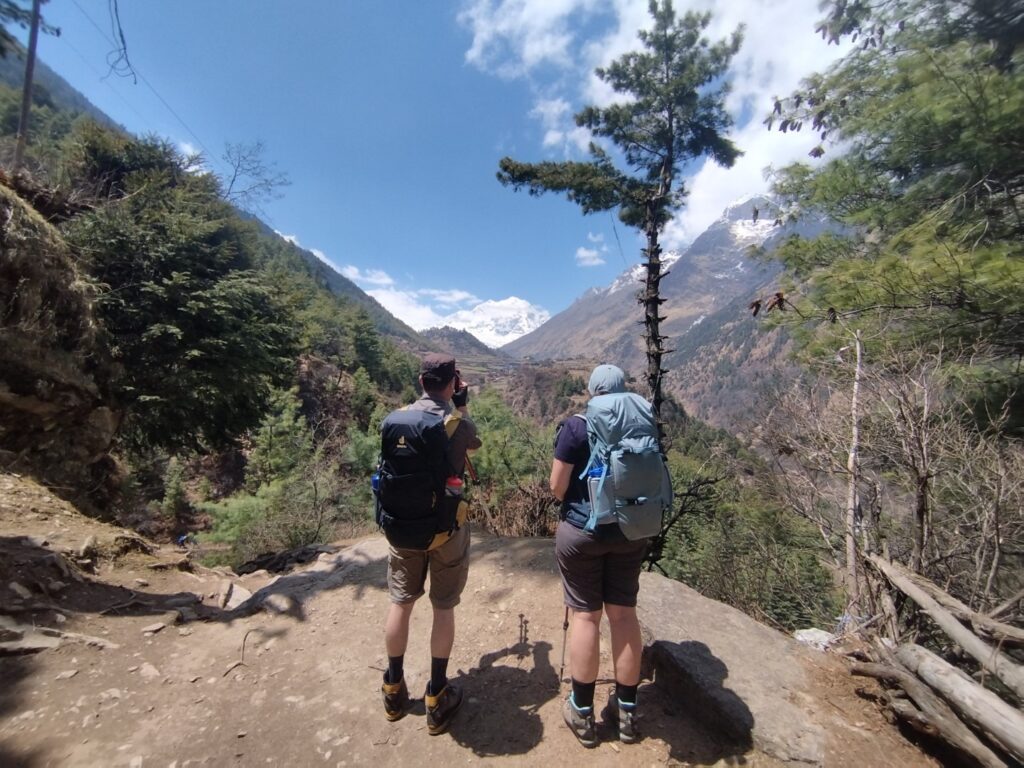
Trekking is more than just walking through nature. It is an experience that combines adventure, personal growth, physical activity, and cultural discovery. Unlike many forms of travel, trekking slows you down and allows you to connect with your surroundings in a meaningful way.
People choose trekking for different reasons. Some want mountain views and outdoor adventure. Others look for peace, fitness, or a break from daily routines. No matter the motivation, trekking offers something that few other travel experiences can provide.
You do not need to be a professional athlete or an experienced climber to enjoy trekking. Many trails around the world are accessible to beginners, while others offer more challenging routes for experienced hikers. This flexibility makes trekking suitable for almost everyone.
The appeal of trekking goes beyond reaching a destination. The journey itself becomes part of the reward. Every trail offers changing scenery, local culture, physical challenge, and moments of reflection.
This guide explores 10 reasons why trekking is considered a must-do adventure. These points explain why trekking continues to attract travelers, nature lovers, and adventure seekers from around the world.
1. Trekking Connects You with Nature
One of the biggest reasons people love trekking is the direct connection to nature. Modern life often keeps people indoors, surrounded by technology, traffic, and constant noise. Trekking provides an opportunity to step away from that environment.
Walking through forests, mountain trails, rivers, and open landscapes creates a sense of calm that is difficult to find in cities. The changing scenery keeps the experience engaging, whether you are trekking through alpine valleys or remote villages.
For example, routes like the Annapurna Base Camp trek in Nepal allow trekkers to move through rhododendron forests, terraced farmland, and high mountain landscapes within a few days. This variety keeps the journey visually rewarding and creates a stronger connection with nature.
Nature also has a positive effect on mental well-being. Fresh air, natural sounds, and open space can reduce stress and improve mood. Trekking allows you to experience these benefits for extended periods.
2. Trekking Improves Physical Fitness
Trekking is one of the most natural forms of exercise. Unlike gym workouts, it combines movement with exploration, making it feel less repetitive.
During a trek, your body works continuously. Walking uphill strengthens leg muscles, uneven terrain improves balance, and carrying a backpack increases endurance. Over several days, trekking can significantly improve cardiovascular health.
Because trekking is low impact compared to intense sports, it is suitable for many age groups. You can choose easier routes or more demanding trails depending on your fitness level.
3. Trekking Helps Clear the Mind
Daily life often comes with constant distractions. Phones, emails, work responsibilities, and social pressure can make it difficult to relax.
Trekking creates distance from those distractions. Long hours of walking encourage a slower pace and allow the mind to focus on simple things such as breathing, scenery, and movement.
Many trekkers describe the experience as mentally refreshing. Spending time outdoors without constant digital interruptions often improves concentration and emotional balance.
On quieter routes like the Manaslu Circuit, long stretches of trail pass through remote valleys and mountain villages. The slower rhythm of trekking in these areas naturally creates space for reflection and mental clarity.
4. Trekking Builds Confidence
Completing a trek requires effort, patience, and determination. Even a short trail can feel challenging if you are not used to long-distance walking.
As you continue trekking, you begin to trust your ability to overcome obstacles. Reaching viewpoints, crossing passes, or finishing a difficult day creates a strong sense of achievement.
This confidence often extends beyond trekking. People return from trips feeling more capable and motivated in other areas of life.
5. Trekking Introduces You to New Cultures
Trekking often takes place in rural or remote areas where local traditions remain strong. Unlike city travel, trekking allows you to spend time in villages and interact with communities along the way.
You may experience local food, customs, architecture, and language in a more natural setting. These interactions provide a deeper understanding of culture compared to quick sightseeing.
In destinations like Nepal, Peru, or Bhutan, trekking routes pass through villages where daily life remains connected to tradition. During a trek, you may stay in family-run guesthouses, visit monasteries, or share meals with local communities. These experiences create a stronger cultural connection than standard tourism.
6. Trekking Creates a Sense of Adventure
Adventure is one of the strongest reasons people choose trekking. Unlike guided city tours or predictable travel schedules, trekking involves uncertainty.
Every day on the trail feels different. Weather changes, landscapes shift, and each section of the route brings something new.
The feeling of moving through unfamiliar terrain creates excitement and curiosity. Even simple moments, such as reaching a mountain viewpoint or crossing a suspension bridge, become memorable.
This sense of adventure makes trekking feel more rewarding than passive travel experiences.
7. Trekking Teaches Patience and Persistence
Trekking is rarely about speed. Progress happens step by step, often over several days.
This teaches patience. You learn to focus on the journey rather than rushing to the destination. Long climbs, changing weather, and physical fatigue all require persistence.
These lessons can be valuable beyond the trail. Trekking reminds people that meaningful achievements often take time and effort.
8. Trekking Creates Strong Memories
Many travel experiences are enjoyable, but trekking often creates stronger memories because of the effort involved.
When you work hard to reach a destination, the experience becomes more meaningful. Mountain sunrises, quiet trails, and shared moments with fellow trekkers stay in your memory for years.
For many people, the most memorable moments are not only the viewpoints but the smaller experiences along the way. Watching sunrise over the Himalayas during the Everest Base Camp Trek or sharing stories in a teahouse after a long walking day often becomes a lasting memory.
The emotional connection to the journey makes trekking different from ordinary sightseeing. It becomes a story rather than just a trip.
9. Trekking Encourages Simplicity
Modern life often feels complicated. Trekking simplifies things.
During a trek, your daily routine becomes basic. You focus on walking, eating, resting, and preparing for the next day. This simple lifestyle helps many people feel more present.
Living with fewer distractions and limited possessions creates a refreshing change from busy routines. Many trekkers find that this simplicity becomes one of the most enjoyable parts of the journey.
10. Trekking Is Accessible to Everyone
One of the greatest strengths of trekking is that it can suit almost anyone. There are trails for beginners, families, solo travelers, and experienced adventurers.
You do not need expensive equipment or advanced technical skills to start trekking. Many routes only require basic preparation and a willingness to walk.
Trekking can also fit different travel styles. Some people prefer short day hikes, while others enjoy multi-day mountain journeys. This flexibility makes trekking accessible and appealing to a wide range of people.
Conclusion
Trekking is much more than an outdoor activity. It combines physical challenge, personal growth, cultural discovery, and natural beauty into one experience.
The 10 reasons in this guide explain why trekking continues to attract people from different backgrounds and age groups. It improves fitness, builds confidence, creates memories, and offers a deeper connection to both nature and culture.
Unlike fast-paced travel, trekking allows you to slow down and appreciate the journey. Each step becomes part of the experience, and every trail offers something unique.
Whether you choose a mountain route, a forest trail, or a cultural trek through villages, the experience can leave a lasting impact. Trekking is not only about reaching a destination. It is about discovering new places, new perspectives, and sometimes even a new version of yourself.
For many people, trekking becomes more than a hobby. It becomes a meaningful way to travel, explore, and reconnect with what matters most.
